
History

Don Carona, the manager of the observatory from 1991-2025, wrote an excellent article on the history of the observatory in the Brazos Valley Astronomy Club Spring 2018 newsletter. The following summarizes his research and also adds a few interesting tidbits related to the observatory and Texas A&M astronomy program and collaborators.
Astronomy began at Texas A&M in 1933 with Edward E. Vezey building a mirror grinding machine and telescope to be used by students. He also started the Southern Convention of the American Association of Variable Star Observers (AAVSO), to which our observatory still contributes research and data to this day.
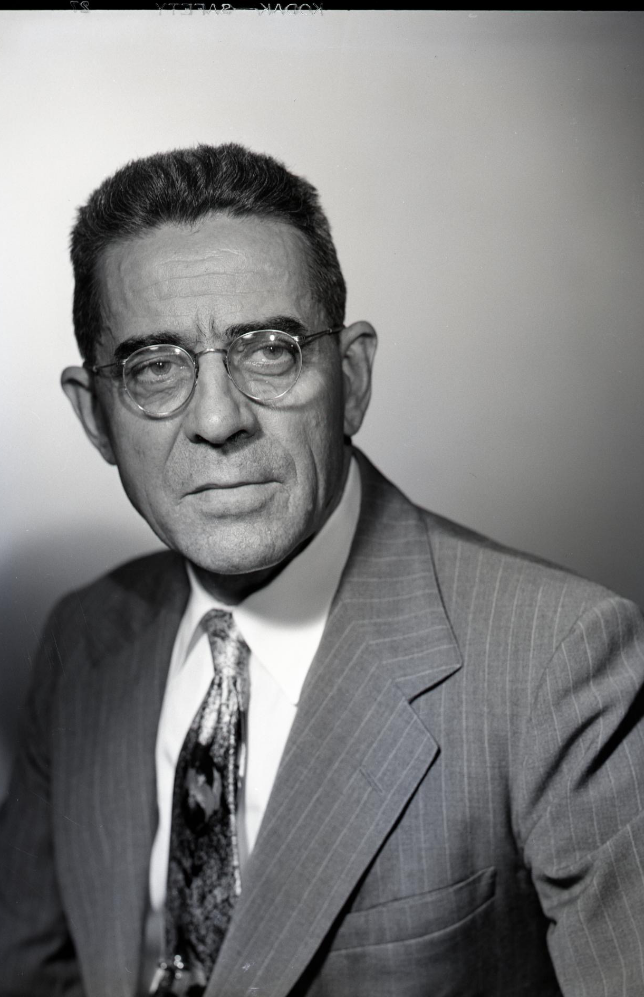
Dr. Jack Kent joined Texas A&M in 1936 as an instructor of mathematics and astronomy. He was also the director of the Texas A&M Moonwatch team. One of Dr. Kent's students was Dr. Charles Munnerlyn, who graduated from Texas A&M with a degree in Physics and went on to get his doctorate in optical engineering from the Institute of Optics at the University of Rochester. For their generosity to Texas A&M University, the Charles R. ’62 and Judith G. Munnerlyn Astronomical Laboratory and Space Engineering Building bears their name. It is home to the Munnerlyn Astronomical Instrumentation Lab, which collaborates with the observatory on instrumentation projects to this day.
In 1968, Dr. George Kattawar assumed responsibility for continuing the astronomy courses in the Department of Mathematics. Currently Dr. Kattawar serves as Professor Emeritus in the Texas A&M Department of Physics & Astronomy.

In 1975, Dr. Ronald Schorn was hired to teach the astronomy courses. He began by showing the night sky to students from near his home, then later the university allowed the department to use a section of land for the informal observational class along with the construction of the first permanent structure of the observatory, the observation deck. That section of land is where the observatory stands today, and the observation deck is still in use for every astronomy class taught there.
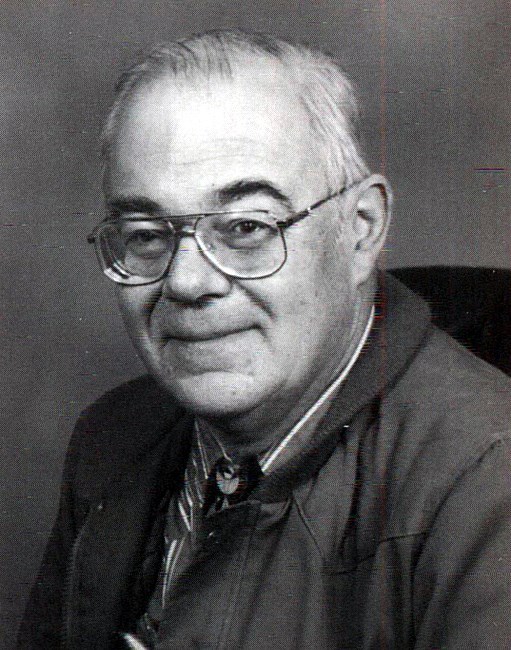
In 1980, the university established PHYS 306 and 307 as astronomy courses offered through the Department of Physics instead of Mathematics, and funding was granted to build the original observatory facilities. Dr. J. Patrick Lestrade designed and oversaw the construction of the observatory, and also taught the astronomy course PHYS 307. Dr. Lestrade went on to be a professor at Mississippi State University and be a part of NASA's Marshall Space Flight Center.

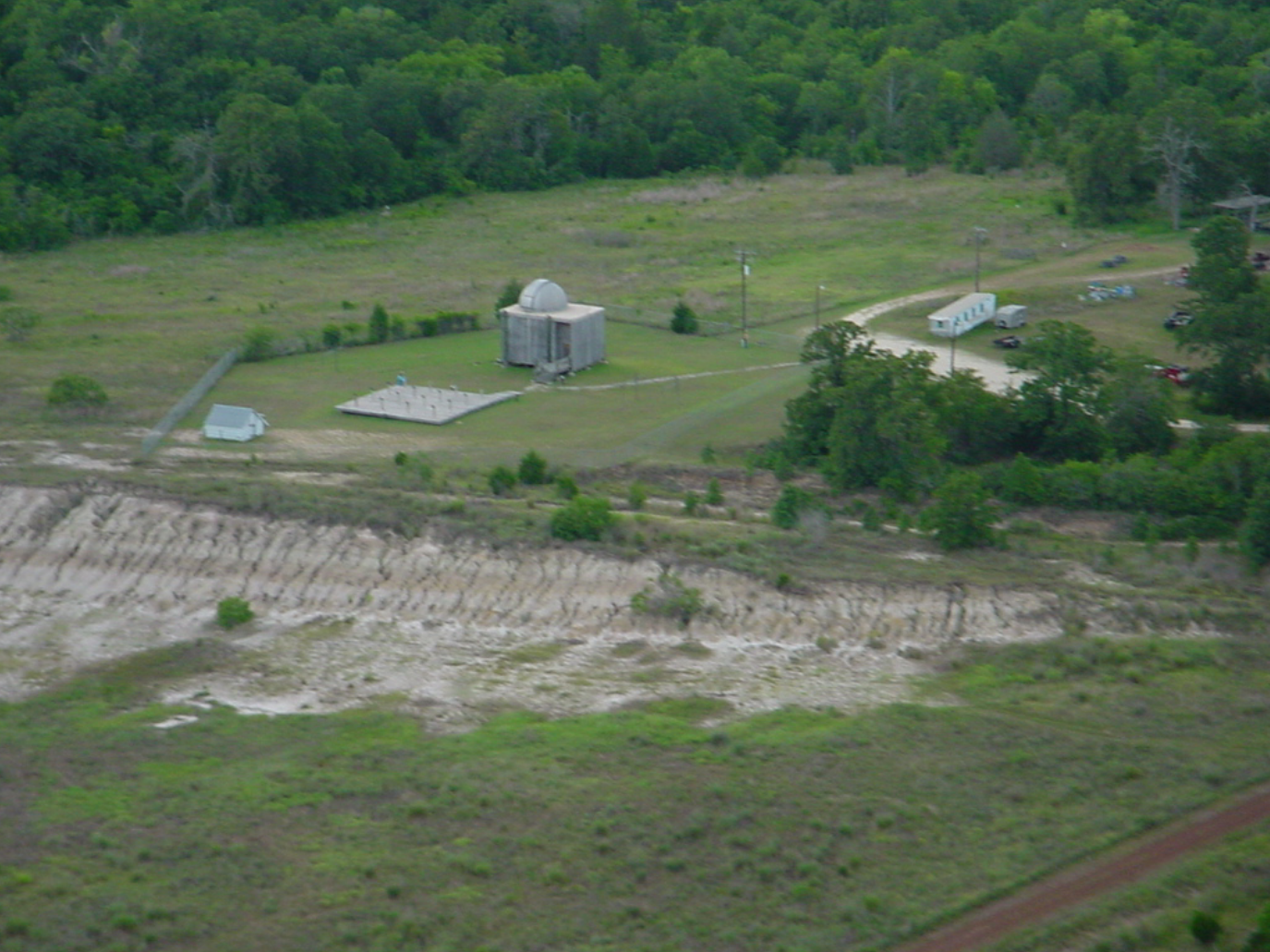
Completed in 1983, the original observatory was a wooden structure with a 16.5-foot diameter Ash Dome and housed a 14-inch Celestron Schmidt-Cassegrain Telescope (SCT) on an Observatory Series Byers Mount. Students in the astronomy course used twelve 8-inch Celestron SCT telescopes on the Student Observing Deck, which was outfitted with cement piers and electricity. The telescopes and piers are still in good condition and used to this day!


In 1991, Dr. Dan Bruton, at the time Dr. Kattawar's graduate student, assumed responsibility for the operation of the observatory and the observatory course. Dr. Bruton graduated in 1996 and accepted a faculty position at Stephen F. Austin University, where he currently serves as a professor and the planetarium director.

Joining at the same time in 1991, Don Carona, a Texas A&M graduate and Information Technology specialist, assisted with the operations of the observatory, then later assumed full responsibility for the observatory after Dr. Bruton graduated in 1996.

Bruton and Carona held public outreach events, conducted regular observing programs, taught classes, and recorded several notable astronomical events, including the collision of comet Shoemaker-Levy 9 with Jupiter and the co-discovery of Minor Planet 102216.
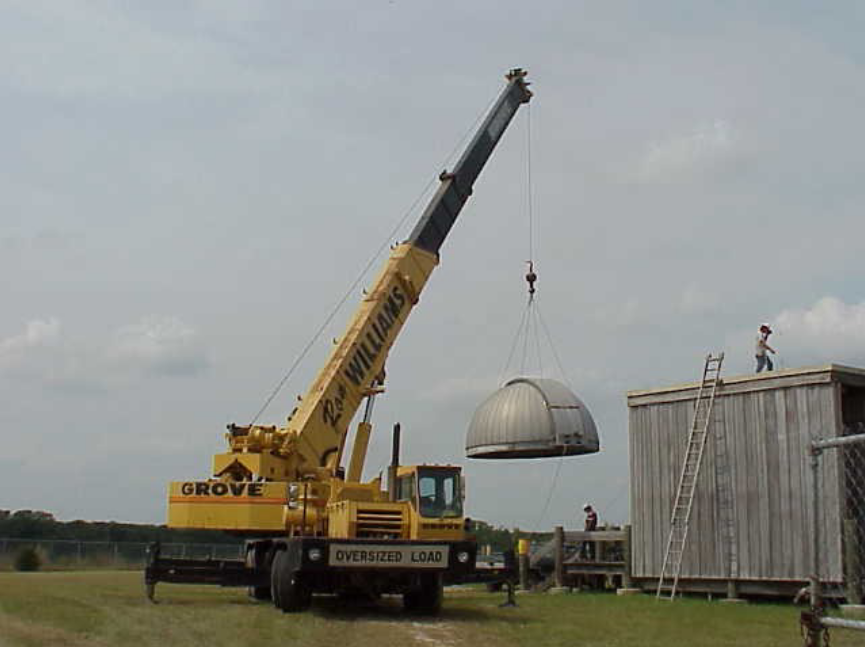
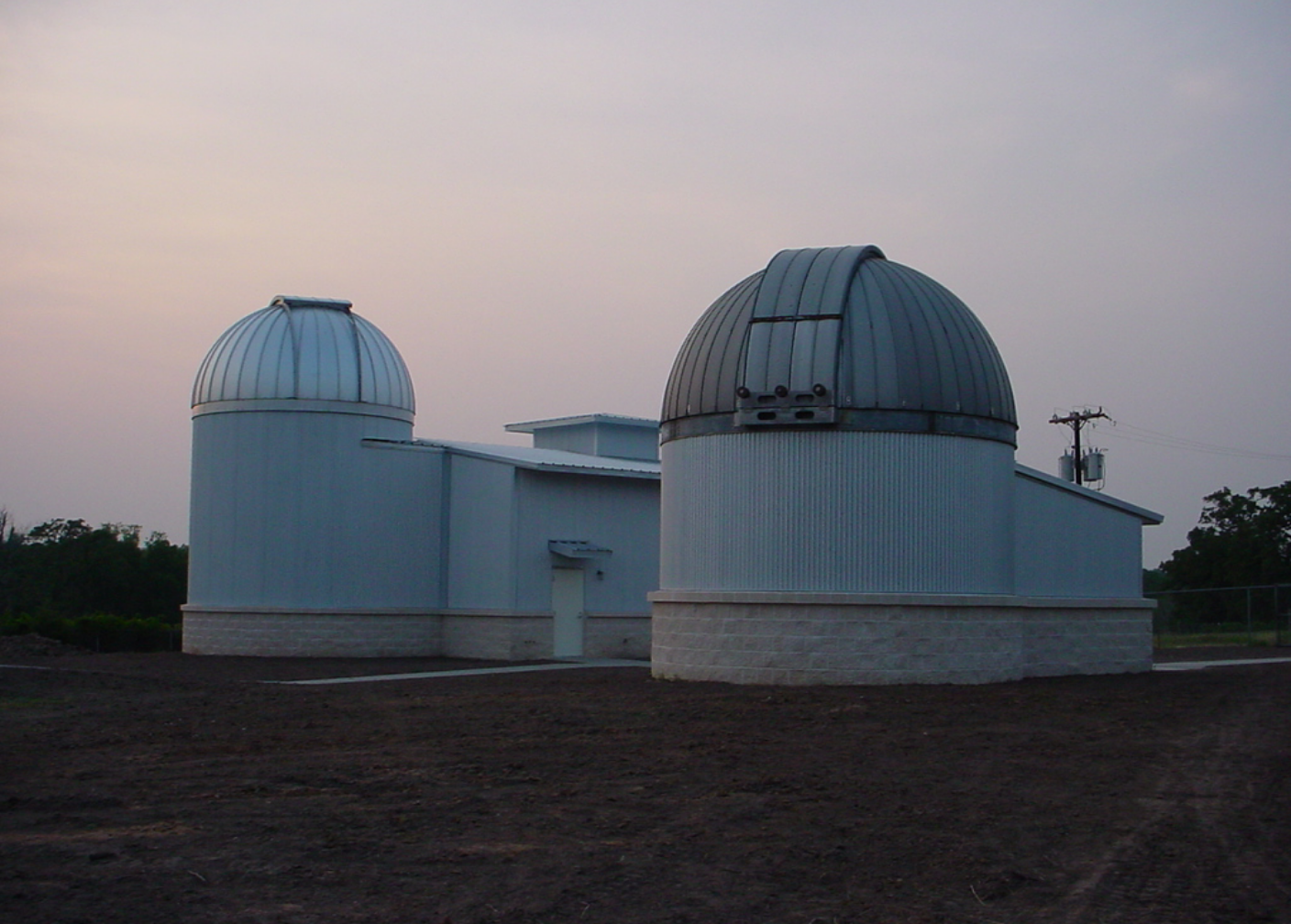
Don Carona served as the manager of the Texas A&M Physics & Astronomy observatory for the next 30 years. Under his leadership, the classes expanded significantly, and he designed and oversaw the construction of the current observatories and classroom in 2003.
The Texas A&M astronomy program expanded alongside the observatory. In 2002, the George P. and Cynthia W. Mitchell Institute for Fundamental Physics and Astronomy was founded, and in 2004, the foundation gifted $1.25 million to Texas A&M University to join the Giant Magellan Telescope Consortium. In 2016, Texas A&M Department of Physics & Astronomy was allowed to grant MS and PhD degrees in Astronomy.
Don Carona's vision for the observatory led us to where we are today, with four ASTR 102 sections of 40 students taught in the 50-person classroom building. Students use portable 6-inch Celestron NexStar 6SE telescopes on the sixteen powered piers on the Student Observing Deck and are able to experience the telescopes in the 18-ft and 16.5-ft dome observatories.
Don Carona unexpectedly passed away in September 2025. The Texas A&M astronomy program owes much of its success to Don's hard work and dedication. He's remembered as fun-loving, generous with his time and knowledge, and passionate about teaching astronomy to students and the wider community.
